Styling Denim Tears Shorts for Summer 2026
Come summer, the label is hardest to wear badly and easiest to wear lazily. Once you switch to shorts, the layering that normally does the styling work is simply gone, which means the graphic sits exposed and the proportions carry everything. Denim tears shorts land in an estimated $180 to $280 band for 2026, leaving them as the most affordable way into the label after tees. That accessibility is exactly why so many summer outfits based on them fall flat. The order here runs straight through the practical side: first length and proportion, then a repeatable four-move formula, then looks sorted by occasion and the pitfalls worth steering around. Treat every price here as a market estimate rather than a fixed figure, because Denim Tears releases in drops and availability moves the number more than anything else does.
Know the Piece Before You Style It
The cotton wreath is not a decorative summer print, and that is worth keeping in view. The motif speaks to the history of cotton, the transatlantic slave trade and African-American experience, and Tremaine Emory founded the label on it in 2019. None of that makes the shorts wrong for a warm afternoon, but it does mean the graphic carries weight, and the rest of the outfit should not undercut it. Practically speaking, the styling takeaway is simple: the wreath is the one thing the eye lands on, and everything else sits behind it. Denim tears shorts arrive in two main families, a cut-off denim base in roughly 10 to 14 oz and a fleece or French terry base closer to 12 oz. The denim builds keep their shape all day in heat; the fleece builds fall softer and crease more readily. Once you know which base you are dealing with, almost everything downstream changes.
Get the Proportion and the Length Right
Inseam is the single variable that decides whether the outfit reads intentional. Most drops sit between a 7 and 9 inch inseam, putting the hem between mid-thigh and just above the knee. It is a forgiving span, but only if the top half is cut to suit. A boxy, cropped tee over a 9 inch short creates a balanced silhouette; a long, draped tee denimtears over the same short erases the leg entirely and makes the shorts look like an afterthought. If your tee hits below the hip, either tuck the front or size down. Shoes complete the proportion: a low sneaker lengthens the leg, while a high-top against a mid-thigh hem shortens it noticeably. Sock length matters more here than in any other season, and a crew sock ending two to three inches above the ankle is the safest default.
Four Moves and the Outfit Is Done
Rather than copying looks, it is more useful to have a formula you can run with whatever is in your wardrobe. The sequence below works because it settles the loudest decision first and lets everything else follow from it. Run through it in order and you will rarely produce something that clashes. It takes about thirty seconds once you are used to it. The steps assume the shorts are carrying the print; if they are plain, simply move the graphic slot to the top half and keep the rest identical. None of it requires any Denim Tears piece beyond the shorts.
- Name the loud piece, hold it to one item, and here that is the shorts.
- Choose a top in a colour pulled directly from the print, usually ecru, white, black or a muted green.
- Fix the proportion by keeping the top hem at or just above the hip bone.
- Close it out with low-profile shoes and a single small accent, say a cap or a lone silver chain.
Occasion-by-Occasion Formulas
It is at the edges, not the middle, that summer wardrobes fail, and the edges are usually evenings and dress-code events. Below are four occasion-based formulas with rough temperature guidance, since a 32 degree Celsius afternoon and an 18 degree evening need genuinely different builds. Treat it as a starting grid, not a rulebook. Every row takes the shorts as the printed piece, with the rest of the outfit kept quiet. The layering column matters most in transitional weather, where a light denim hoodie or overshirt turns a daytime outfit into an evening one without changing anything underneath. Change the footwear first and everything else second.
| Occasion | Rough temperature | Top half | Layer / footwear |
|---|---|---|---|
| Daytime, everyday | 26-32 C / 79-90 F | Boxy ecru tee, 6-7 oz jersey | None; low white sneaker |
| Night out | 18-24 C / 64-75 F | Black tee, plain, front tucked | Open overshirt; leather sneaker or loafer |
| Dressed-up casual | 22-28 C / 72-82 F | Fine-knit polo | None; suede low-top, no visible sock |
| Cool mornings and travel | 14-20 C / 57-68 F | Long-sleeve base layer | Denim tears hoodie worn open; canvas trainer |
The Everyday Daytime Look
The default summer look is the simplest to nail and the one most people overcomplicate. A plain heavyweight tee, the shorts, and a clean low sneaker is genuinely enough. Keep the tee in a colour that already appears in the wreath print so the palette stays closed, which usually means ecru, white or off-black. Where you want texture rather than noise, a washed cotton cap or a plain canvas tote does the job without competing. Minimal jewellery is the rule here: a busy print and a stacked wrist look like clutter in daylight. It is also the only context in which a denim tear shirt worn open over the tee works, as long as the shirt is unprinted.
Dressed Up for the Evening
Shorts can hold their own after dark, but the supporting pieces have to climb in formality. Trade the sneaker for a leather low-top or an unlined loafer and the whole look moves immediately. The most reliable build is a black tee with a front-only tuck under a soft-shouldered overshirt or camp collar. At night the shorter end wins, as a 7 inch inseam reads sharper than a 9 inch one. In cooler evenings a denim hoodie worn open over the tee bridges the gap without formalising the look too far. Leave tailoring out above the waist, since a blazer above printed shorts almost never comes together.
Avoid These Common Mistakes
Most bad summer outfits with this brand come from a small set of repeat errors. None of them are matters of taste; they are proportion and volume problems with predictable fixes. Go through the list and most of them disappear in a single pass. The thread running through all of it is restraint, unglamorous but reliably correct. Set one graphic against a quiet background and it will always outperform two competing graphics. Roughly eighty per cent of what goes wrong sits under that single principle.
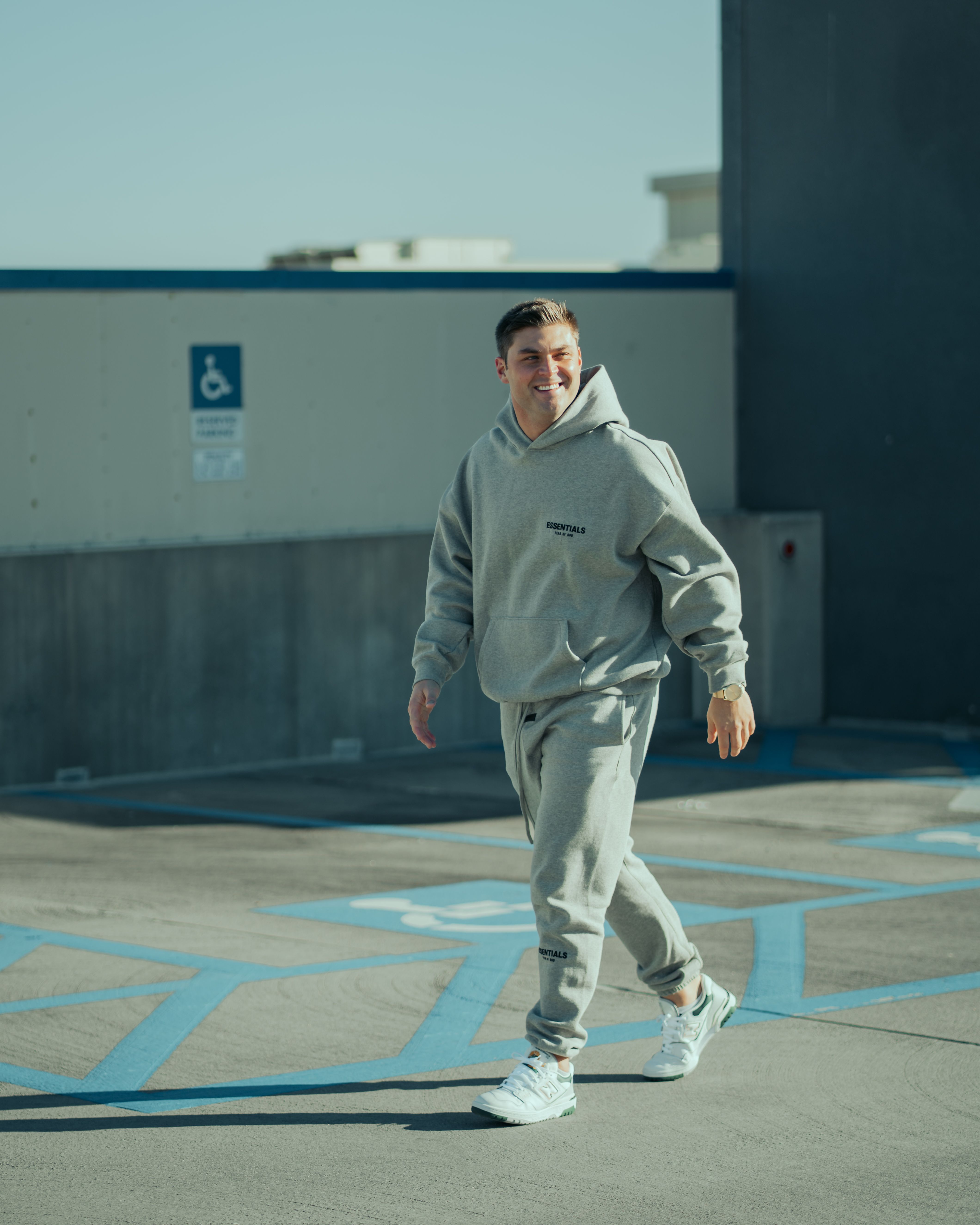
- Pairing printed shorts with denim tears jeans-adjacent prints or a printed hoodie in the same outfit.
- Leaving a long tee hanging past the shorts hem so the leg disappears visually.
- Matching a mid-thigh short to a chunky high-top sole and cutting the whole line short.
- Introducing a third colour absent from the print, usually a bright blue or red.
- Treating denim tear pants and shorts as interchangeable in the same outfit logic; the proportions are not the same.
- Tumble drying the shorts on heat, which cracks the print far sooner than wearing them ever would.
Making Them Last Beyond One Season
Summer is hard on cotton, and a pair of shorts worn twice a week for three months takes real punishment. Cold washes at 30 degrees Celsius or below, always inside out, and no fabric softener at all. Shade-drying rather than sun-drying keeps the indigo and the wreath print from going patchy. Pairs built on denim, above all those using a Levi’s cut-off pattern, will soften and shed roughly one to two per cent of their length over a season of washing. Fleece and terry pairs start pilling earlier, though a fabric shaver used once or twice a summer brings them back. Store them folded rather than hung, since a hanger crease across a printed leg is stubborn and shows in photographs. Treated this way, a pair bought in 2026 should still look intentional several summers from now, which is the real argument for spending at this level in the first place.
Leave a Reply